The direct answer
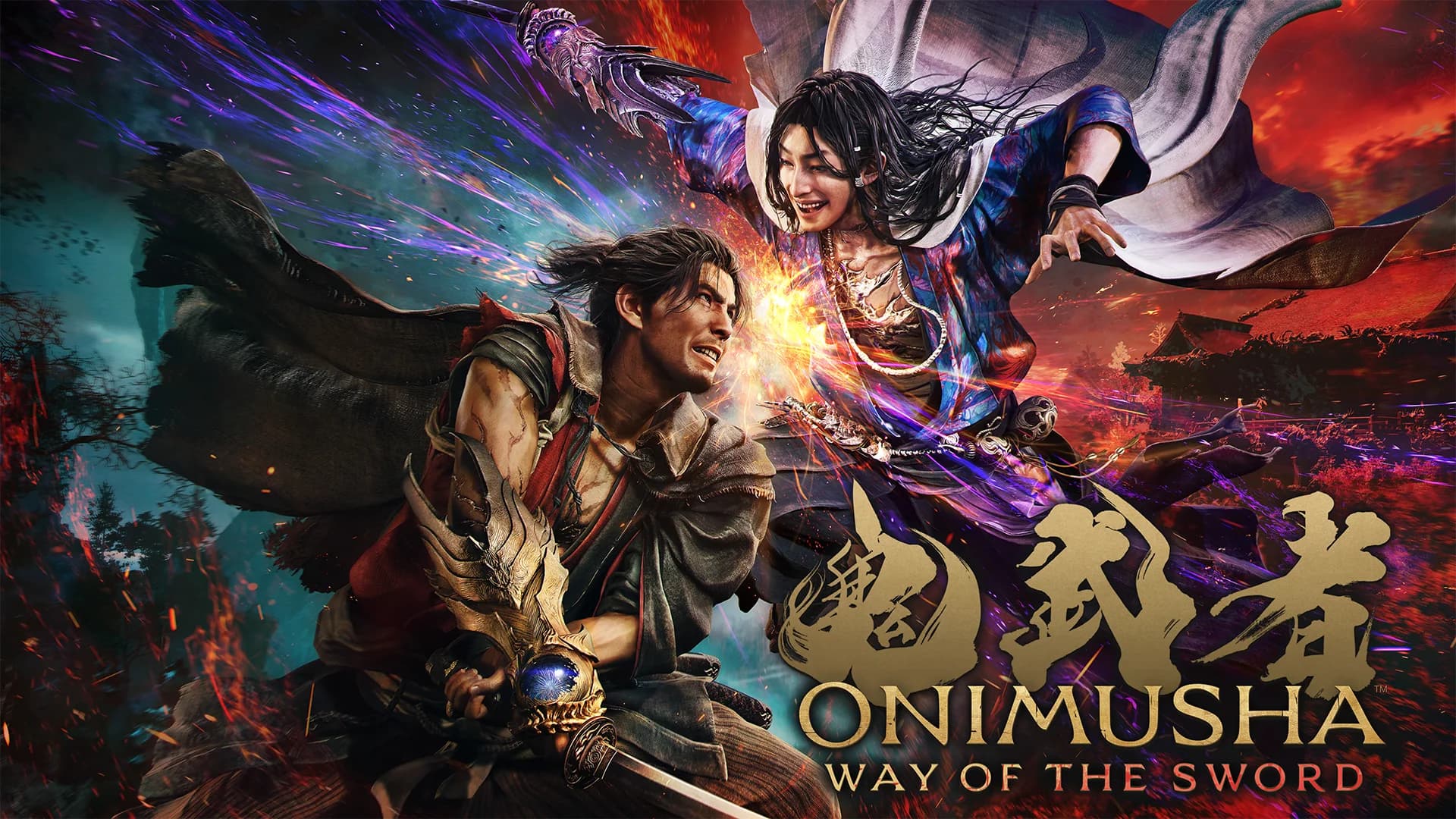
Onimusha: Way of the Sword is not a remake of an earlier Onimusha game. The collected official and review material describes it as a new mainline entry and a narrative clean slate or reboot. It uses familiar series ideas, but it does not recreate the story, levels, and complete identity of one previous release.
That distinction matters because remake, reboot, revival, and sequel are often mixed together in casual discussion. A remake rebuilds a specific older game. Way of the Sword instead begins a new story in Edo-period Kyoto while restoring the series to the mainline release schedule after a long absence.
A new mainline game
The captured series context identifies Way of the Sword as the first mainline Onimusha release after Onimusha: Dawn of Dreams from 2006. That makes it a revival of the main series, but elapsed time does not turn a new installment into a remake. Product identity depends on what story and game are being created, not on how long players waited.
The new game centers its own historical-fantasy conflict. Miyamoto Musashi and Sasaki Ganryu appear as historical figures reimagined within a supernatural setting, and the story uses Kyoto during the Edo period as its stage. Those choices build a fresh narrative framework instead of reconstructing one older campaign.
Reviews in the source set use terms such as continuation, revival, and reboot to describe that position. These words emphasize different aspects of the same release: the franchise returns, the mainline continues, and new players are given a clean starting point. None of them provide evidence for a scene-for-scene remake.
What narrative clean slate means
A clean slate means the story is designed to stand without requiring the player to know every previous Onimusha plot. The collected preview material says there is little direct plot connection to the older games. A newcomer can therefore approach the characters, conflict, and setting as the beginning of this particular story.
That does not erase franchise history. The game can acknowledge earlier entries through themes, visual echoes, familiar terminology, or remixed ideas while keeping the central narrative independent. A clean starting point is about required knowledge, not about removing every reference for existing fans.
This is why reboot is a useful but limited word. It describes a refreshed narrative entry into the series, not necessarily a deletion of everything that came before. Guides should explain the practical result: previous games can add context and recognition, but they are not presented as mandatory homework for understanding the new campaign.
Returning Onimusha foundations
Way of the Sword retains several recognizable parts of the franchise. The Oni Gauntlet, Genma enemies, soul absorption, Issen timing, sword-focused action, and an eerie historical-fantasy atmosphere all connect the new game to Onimusha's established identity. These returns are intentional continuity of design language.
The colored-soul system is one clear example. Enemies can release souls that serve different combat and progression roles, linking present action to a mechanic associated with earlier games. Issen also keeps precise counter timing at the center of sword mastery, even as the broader combat system is rebuilt for a modern entry.
Returning mechanics do not prove remake status. Series regularly carry signature systems into sequels and reboots, just as a new fighting game retains familiar moves or a new action game preserves its core weapon. The relevant question is whether the complete older product is being recreated, and the source material says this is a new game.
New story, setting, and enemies
The Edo-period Kyoto setting provides its own historical frame. The game combines real figures with supernatural fiction, using Miyamoto Musashi and Sasaki Ganryu as part of a new interpretation rather than restoring the cast and plot of a specific prior title. Historical inspiration is not the same thing as remaking an earlier Onimusha narrative.
The collected preview also describes the Genma in this entry as new. Their designs and role can still express the demonic identity of the series, but they are not simply proof that the game is rebuilding old encounters. New opponents support the claim that the developers are constructing a distinct adventure from familiar foundations.
Story coverage may use words such as retelling when discussing historical figures. In that context, the game is retelling or reimagining pieces of history and legend, not remaking a prior Onimusha product. Guides should always state the object of the word so readers do not mistake historical adaptation for game-remake status.
Why the remake question is common
Long-dormant series often return through remasters and remakes, so players naturally ask whether a familiar name represents a rebuilt classic. Onimusha also has mechanics and imagery that can be recognized immediately in new footage. Those circumstances make the question reasonable even though the answer is no.
Marketing can add to the ambiguity by emphasizing the return of a beloved franchise. A trailer may focus on the Oni Gauntlet, Genma, sword counters, or historical atmosphere because these communicate Onimusha quickly. Familiarity is part of the appeal, but a familiar franchise vocabulary is not a statement that the same story is being rebuilt.
The release should therefore be understood as a modern mainline revival. It aims to satisfy returning players through recognizable systems while giving newcomers a self-contained entry. That combination is exactly why clean slate and new entry are more useful than remake.
Do you need to play the older games first?
The collected evidence does not present earlier plots as required reading. Because Way of the Sword has little direct story connection to them, a new player should be able to begin here and learn its conflict from the game itself. Older entries may make references, themes, and returning mechanics more meaningful, but that is optional context.
Existing fans can still look for homage and remixed ideas. Those elements reward familiarity without changing the basic accessibility of the new story. The balanced recommendation is to play older games for interest in the franchise, not because the new campaign is documented as an immediate retelling or direct dependency.
This conclusion should remain tied to story access. It does not claim that every emotional or thematic reference will land identically for a newcomer. It only reflects the available material saying that Way of the Sword starts a largely independent narrative.
Source snapshot and limits
This answer is based on the September 4, 2026 local source capture. It combines CAPCOM's official game and about pages with review material from RPG Site, a release-history summary, and captioned videos describing the narrative clean slate, new Genma, and returning series ideas. Official pages carry the most weight for product identity, while reviews help explain how the reboot functions for players.
The evidence boundary is simple: narrative independence does not mean the absence of franchise continuity. Way of the Sword can preserve mechanics, atmosphere, names, historical inspiration, and homage while remaining a new mainline game. Unless CAPCOM identifies it as a remake of a specific title, calling it one would misstate the available evidence.