The short classification
Onimusha: Way of the Sword is not classified as a Soulslike in the collected director and guide material. The clearest description is character action: a game built around authored stages, expressive sword techniques, active counters, and a resource loop tied to the Oni Gauntlet. That answer does not mean the game is easy, and it does not mean a player will never recognize ideas that also appear in Soulslike games.
The comparison exists for understandable reasons. Enemy animations matter, defensive timing matters, stamina can shape an encounter, and bosses can require repeated attempts before their patterns become readable. Those shared traits explain the question, but a handful of familiar combat pressures do not define the whole genre or structure of the game.
Why players make the Soulslike comparison
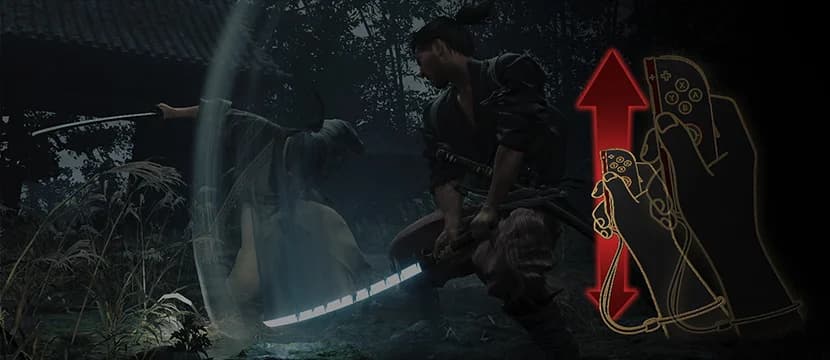
Way of the Sword asks the player to watch an enemy rather than attack without a plan. A strong defense depends on recognizing animation cues and selecting a response with the right timing. Parry, deflect, reflex dodge, Issen, and Break Issen are not presented as one universal answer, so learning what an attack is doing becomes part of learning the fight.
Boss encounters strengthen the comparison. Reviews and guides in the captured source set describe demanding later fights, careful stamina use, and the possibility of retrying an encounter while gradually understanding its rhythm. Those are real similarities, especially for players who use the term Soulslike as shorthand for deliberate combat and difficult bosses.
The standard Action difficulty can still be challenging. A genre label should never be treated as a promise about difficulty, because two players can have very different experiences with the same timing window or boss pattern. The useful answer is therefore specific: the director's classification says it is not a Soulslike, while the combat still contains features that make the comparison natural.
What makes the combat character action
The game's defensive systems are designed to create offense. A successful parry, deflect, reflex dodge, or Issen can change initiative and open a path to pressure the enemy. The collected reviews emphasize learned counterplay and aggressive responses instead of a loop built only around waiting for one safe dodge and taking a single hit.
Issen is especially important to that identity. It rewards committing to a precise counter at the moment an enemy attack becomes vulnerable, while Break Issen connects defensive mastery to the enemy's posture or break state. The result is a sword system where timing is not merely a way to survive; it is one of the main ways to deal decisive damage.
Different defensive options also give the player room to form a style. A cautious player can prioritize safer spacing and familiar parries, while a confident player can pursue tighter counter windows and more aggressive pressure. That range is closer to an action game's expressive toolset than a single prescribed Soulslike template.
The Oni Gauntlet resource loop
The Oni Gauntlet adds another layer that separates the overall flow from a simple genre comparison. Enemies release colored souls, and the collected guide material assigns distinct purposes to them. Yellow souls restore health, red souls support upgrades, and blue souls power Oni Armaments.
That means combat decisions affect more than the current attack string. Absorbing souls can help stabilize health, build longer-term progression, or fund a powerful supernatural option. The player is repeatedly encouraged to turn successful aggression into resources and then use those resources to maintain momentum.
This system is a recognizable part of Onimusha's identity. It works alongside sword defense rather than replacing it, joining precise timing with a more arcade-like cycle of earning and spending combat resources. Calling the whole game a Soulslike would flatten that specific combination into a broader label that the director does not use.
Stage structure instead of a Soulslike world
Way of the Sword is stage-based rather than organized as one seamless, interconnected Soulslike world. The adventure moves through authored locations and story objectives, with larger areas that can support exploration, side activities, and backtracking. Eastern Kyoto is described as a recurring semi-open hub, but that does not change the game's overall stage-based structure.
This distinction matters because genre is not only about how a sword swing feels. Route design, checkpoint flow, progression, optional content, and the relationship between combat and exploration all contribute to the experience. A difficult parry system inside a stage-based action adventure is not automatically the same product structure as an interconnected Soulslike role-playing game.
One beginner guide in the source set also distinguishes the checkpoint and resource loop from a typical Souls recovery run. That comparison should remain attributed to the guide rather than treated as a universal rule for every game in either genre. It is useful as supporting context, not as the sole reason for the classification.
Difficulty options and accessibility
The collected material presents Story difficulty as a lower-barrier option for players who want to focus on the narrative or need more room to learn the combat. Action difficulty is the standard experience discussed in several reviews, and it can become demanding as enemy combinations and boss mechanics grow more complex. Difficulty and genre should still be kept separate.
A player can choose Story difficulty and continue to use the same core vocabulary of parries, dodges, Issen attacks, souls, and Oni Armaments. The presence of a more approachable setting does not erase the combat system, just as a hard encounter does not turn the game into a different genre. It changes the pressure under which the player learns those systems.
This is useful for purchase decisions. Players looking for a modern Onimusha action game should expect timing-based swordplay and bosses that may ask for practice. Players specifically seeking a Soulslike should understand that the director and collected coverage place Way of the Sword in a different category.
The most accurate way to describe it
The most accurate compact description is a stage-based character-action game with demanding, timing-focused sword combat. It shares surface traits with Soulslikes, including readable enemy attacks, stamina pressure, defensive precision, and challenging bosses. It differs through its authored stage structure, multiple active counter systems, aggressive opening creation, and the colored-soul economy attached to the Oni Gauntlet.
That phrasing preserves both sides of the evidence. It does not deny the experience of players who feel a Soulslike influence, and it does not replace the director's stated classification with a community nickname. For guides and search pages, those two claims should remain visibly separate.
Source snapshot and limits
This answer is based on the local source capture dated September 4, 2026. The evidence set combines a director classification reported by TimeSaver, a beginner guide from OSLink, community discussion, and captioned video material showing the combat systems in use. The videos support how parry, deflect, reflex dodge, and Issen differ, but they do not create an official genre label by themselves.
The conclusion is classification, not a difficulty guarantee. Individual players may find Action difficulty easier or harder than a particular Soulslike, and future balance changes could alter specific encounters without changing the product's core identity. Keep subjective difficulty impressions attributed to reviewers or players, while keeping the director's classification and observable systems as separate evidence.