English and Japanese voice cast
Onimusha Way of the Sword stars Kenichiro Thomson as Miyamoto Musashi in English and Yoshimasa Hosoya in Japanese. Sasaki Ganryu is voiced by Tashinga Bepete in English and Nobuhiko Okamoto in Japanese. Musashi's facial likeness is based on Toshiro Mifune, whose visual contribution is separate from the two voice performances.
The table below pairs nine named characters with their English and Japanese actors. Use the character name to identify a voice, then check the language column that matches the audio you are playing. These are character voice credits, not a list of every performer or production role involved in making the game.
| Character | English voice actor | Japanese voice actor |
|---|---|---|
| Miyamoto Musashi | Kenichiro Thomson | Yoshimasa Hosoya |
| Sasaki Ganryu | Tashinga Bepete | Nobuhiko Okamoto |
| Oni Lady | Yuriri Naka | Aya Endo |
| Ono no Takamura | Shogo Miyakita | Akihiko Ishizumi |
| Izumo no Okuni | Leader Looi | Chiharu Hokaze |
| Shuten Doji | Anthony Howell | Shinnosuke Ogami |
| Daidara | Abe Jarman | Kenta Miyake |
| Dokyo | Clare Corbett | Riho Fushida |
| Rasho-gan | Adam Longworth | Yasuhiro Mamiya |
The profiles below focus on identifying the actors and explaining the distinction between character, voice, and appearance. They do not describe late-game outcomes or reveal the circumstances of every character encounter. For introductions to the people themselves, use the Onimusha Way of the Sword character guide.
Miyamoto Musashi voice actors
Kenichiro Thomson performs Musashi's English dialogue, while Yoshimasa Hosoya performs the Japanese role. Musashi is the swordsman at the center of the adventure, so his voice accompanies both the story and the many fights through Kyoto. If the voice you are trying to place belongs to the playable protagonist, these are the two names to check first.
Hosoya may sound familiar to viewers of Attack on Titan, where he plays Reiner Braun, or My Hero Academia, where he plays Fumikage Tokoyami. Those credits offer useful reference points without implying that Musashi uses the same personality or delivery. Recognizing an actor from another role can make the voice easier to identify, but each character belongs to its own performance.
Thomson's screen work includes The Diplomat, Flack, and Britannia. His participation in the English cast should not be confused with the actor whose face inspired Musashi's character model. The game combines a recognizable screen likeness with newly performed dialogue rather than asking a single credit to describe both jobs.
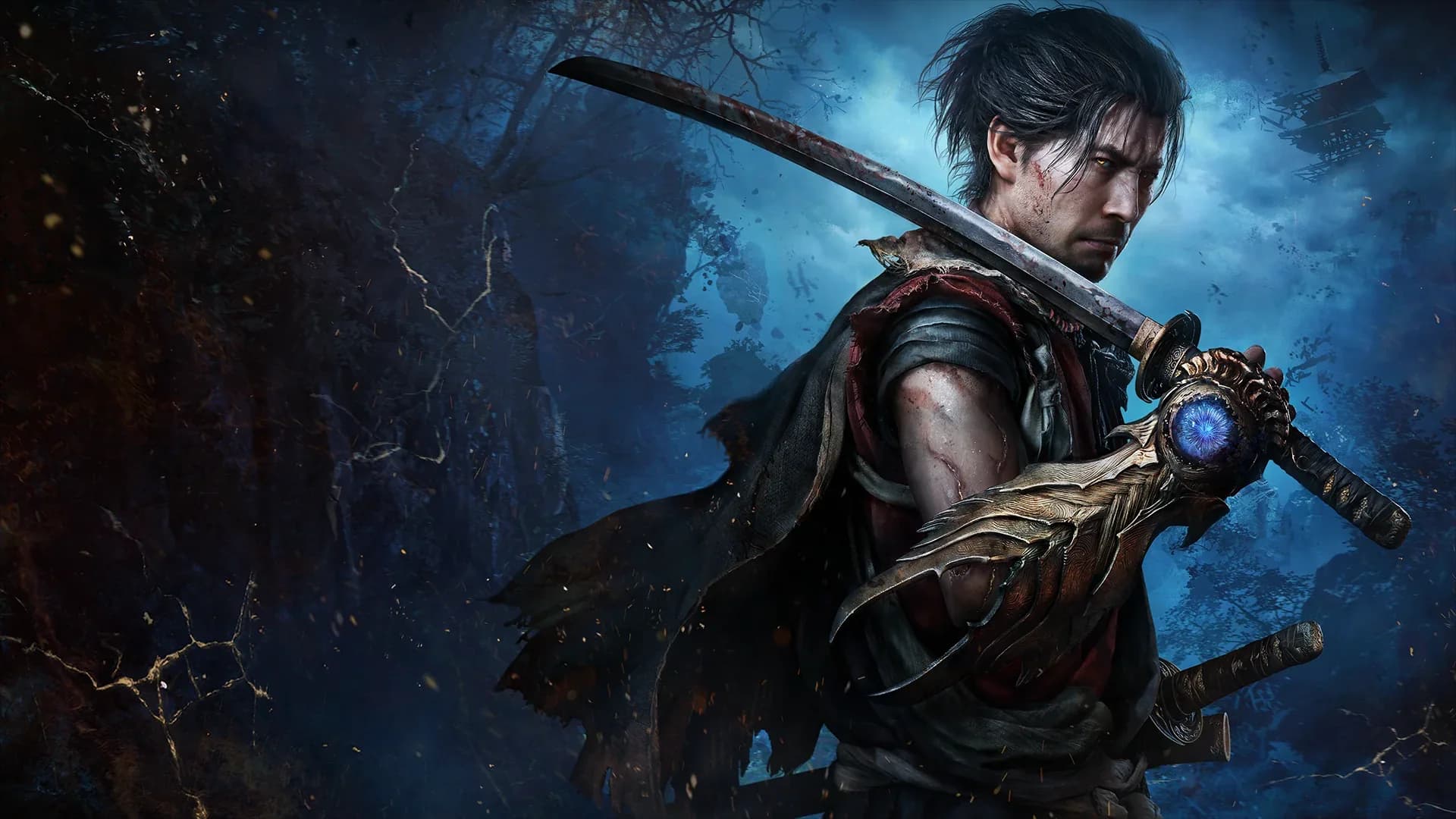
Toshiro Mifune and Musashi's appearance
Toshiro Mifune is associated with Musashi's likeness, not the English or Japanese voice role. His connection explains why the character's face and mannerisms can feel familiar to viewers of samurai cinema. It does not replace Thomson or Hosoya in the voice cast table.
This distinction is useful whenever an article, image caption, or conversation calls Mifune the actor behind Musashi. In that context, “actor” may refer to the visual likeness rather than the person speaking the dialogue. Checking whether the discussion concerns the face, animation, or audio prevents those separate contributions from being folded into an incorrect voice credit.
A familiar face also does not tell you which language track is playing. Musashi's visual identity remains the reference point while the English and Japanese casts provide different vocal performances. If you want to compare the acting, listen to the same scene in each track rather than judging the voice from a character portrait.
Sasaki Ganryu voice actors
Tashinga Bepete voices Sasaki Ganryu in English, and Nobuhiko Okamoto voices him in Japanese. Ganryu is a particularly useful character for comparing the two casts because his confrontations place him directly against Musashi. Listening to both participants in one scene gives a clearer impression of their exchange than an isolated line from either actor.
Bepete's other game work includes Rook in Dragon's Dogma II and the Savant in Warhammer 40,000: Darktide. Okamoto is known for Katsuki Bakugo in My Hero Academia and Rin Okumura in Blue Exorcist. These credits are recognition aids for fans trying to place a familiar voice, rather than descriptions of Ganryu's role in the story.
Ganryu also appears in the demo, making that encounter a useful early point of reference. A boss introduction lets you hear dialogue with animation and scene context, while combat adds a different kind of vocal delivery. If you mainly want a cast comparison, avoid searching for compilations of every encounter, since those can expose later story developments.
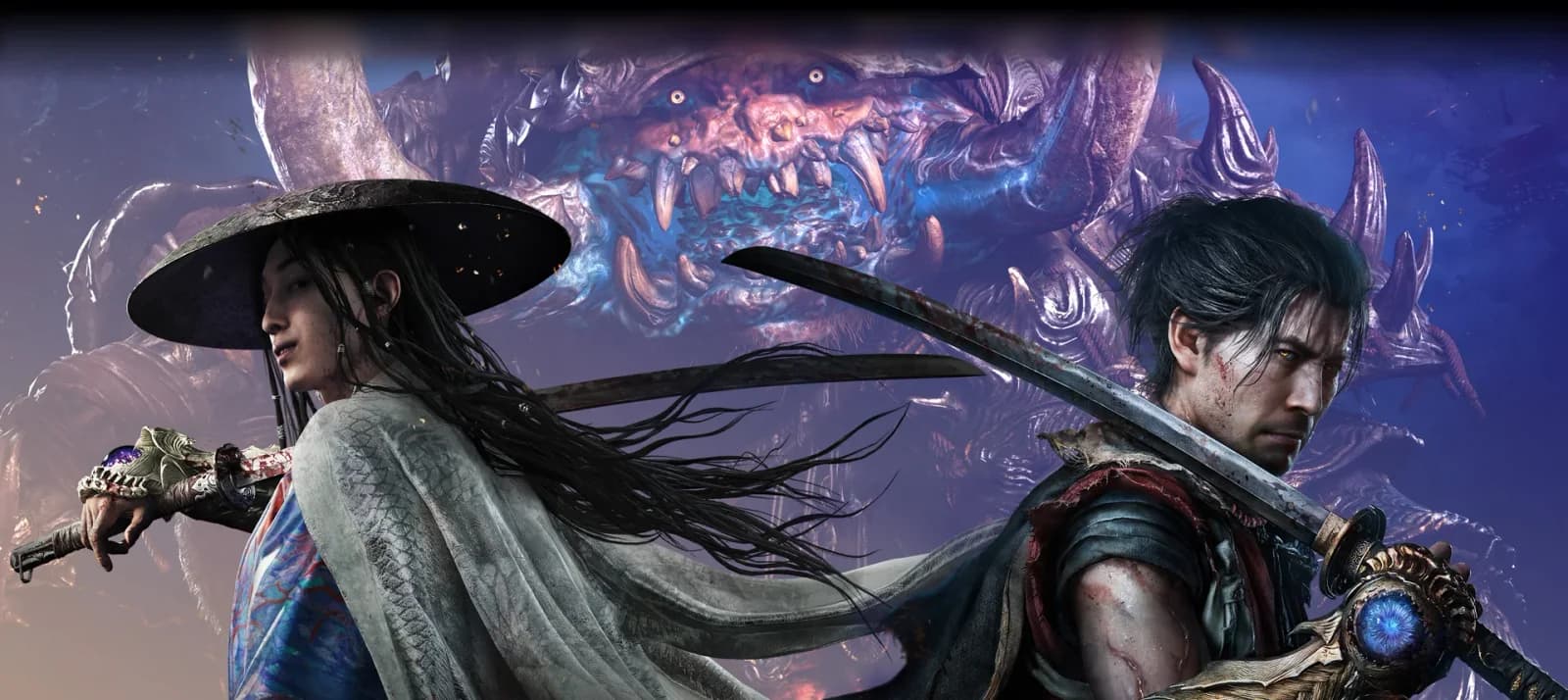
Oni Lady, Ono no Takamura, and Izumo no Okuni
The Oni Lady is voiced by Yuriri Naka in English and Aya Endo in Japanese. Naka's game credits include the First Sister in Black Myth: Wukong, while Endo's roles include Sheryl Nome in Macross Frontier and Yelan in Genshin Impact. These names are the relevant pair when identifying the Oni Lady, rather than the performers behind Musashi or the other women in the cast.
Ono no Takamura is performed by Shogo Miyakita in English and Akihiko Ishizumi in Japanese. Miyakita's credits include Father Roache in The Excavation of Hob's Barrow, and Ishizumi previously voiced Ekei Ankokuji in Onimusha 2: Samurai's Destiny. That earlier Onimusha credit is an actor connection between games, not a reason to treat Takamura and Ekei as the same character.
Izumo no Okuni is voiced by Leader Looi in English and Chiharu Hokaze in Japanese. Looi also voices Pingping in Black Myth: Wukong, while Hokaze's background includes the group 22/7. Keep Okuni's full name in mind when matching cast entries, since recognizing an actor's name alone does not identify which character is speaking.
Shuten Doji, Daidara, Dokyo, and Rasho-gan
Anthony Howell provides Shuten Doji's English voice, with Shinnosuke Ogami performing the Japanese role. Howell may be familiar as Margit and Morgott in Elden Ring or Jonathan Reid in Vampyr. If Shuten Doji's English performance prompts that recognition, Howell is the actor connecting those roles.
Daidara is voiced by Abe Jarman in English and Kenta Miyake in Japanese. Jarman's screen work includes The Witcher, while Miyake's roles include All Might in My Hero Academia and Zangief in Street Fighter 6. Identifying Miyake by one of those prominent roles can be helpful, though Daidara remains a separate character with its own dialogue and direction.
Clare Corbett voices Dokyo in English, alongside Riho Fushida in Japanese. Corbett's game credits include Gwynevere and Priscilla in Dark Souls, Maiden Astraea in Demon's Souls, and Irina and Hyetta in Elden Ring. Several of those roles sound quite different from one another, which is a good reminder that familiarity with an actor does not always produce immediate recognition.
Rasho-gan is performed by Adam Longworth in English and Yasuhiro Mamiya in Japanese. Mamiya also voices Hugo Kupka in Final Fantasy XVI and Pierro in Genshin Impact. The pairing completes the nine named character entries on this page without turning the table into a claim about the total number of background or additional voices.
Choosing a voice language
Choose the track that makes dialogue easiest for you to follow while playing. English can let an English-speaking player listen without constantly shifting attention toward subtitles, especially when dialogue overlaps with movement. Japanese may be preferable if you enjoy that cast's delivery or want to hear actors you recognize from other Japanese games and animation.
For a fair comparison, use the same early scene and listen through the entire exchange. Character introductions, pauses, and responses tell you more about a performance than a single emphatic line. Avoid deciding solely from a trailer edit, where music, short cuts, and dramatic line selection can create a different impression from a complete conversation.
Subtitle language and spoken performance are different parts of following the story. Decide whether your priority is understanding dialogue without reading, hearing a particular cast, or taking time with the scene presentation. The spoiler-light story overview can help you place names and relationships if an early conversation moves faster than you expect.
Cast names without story spoilers
A voice credit tells you who performs a character, but it does not require knowing that character's ending, allegiance, or full encounter history. Start with the table when you simply want to identify someone you heard during play. Move to the character profiles only when you want more context about their place in Kyoto.
For the broader presentation, the review guide discusses the game beyond individual cast names. For the protagonist's visual design, the wallpaper gallery provides character artwork without requiring a late-game scene search. These offer separate ways to explore the game's acting, story, and appearance while keeping the cast lookup easy to use.